
The Crucial Role of Grip Strength in Age-Related Muscle Loss
As we age, our bodies undergo numerous changes, and one aspect that often goes overlooked is the gradual decline in muscle mass. Age-related muscle loss, also known as sarcopenia, can significantly impact an individual's overall health and quality of life.
Amidst the various factors influencing muscle deterioration, one that deserves special attention is grip strength. This seemingly simple measure not only reflects hand function but can serve as a valuable indicator of overall muscle health.
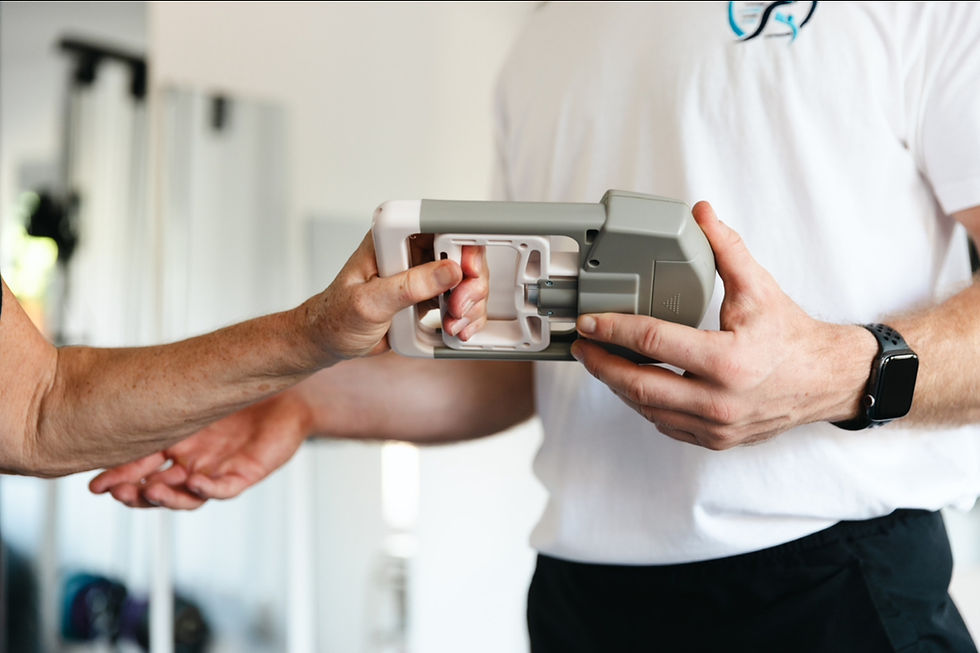
The Link between Grip Strength and Muscle Mass:
Grip strength, the force applied by the hand to grasp an object, is a reliable marker of overall muscle strength and function. Research has consistently shown a strong correlation between grip strength and muscle mass throughout the body.
As we age, maintaining muscle mass becomes increasingly challenging due to factors such as hormonal changes, reduced physical activity, and a decline in protein synthesis.
Grip strength acts as a practical proxy for assessing muscle health, making it a valuable tool for understanding age-related muscle loss.
Grip Strength as a Predictor of Health:
Beyond its association with muscle mass, grip strength has emerged as a powerful predictor of various health outcomes in older adults. Studies have linked lower grip strength to an increased risk of falls, functional limitations, and mortality.
The decline in grip strength can signify an overall decline in physical function, making individuals more susceptible to injuries and compromising their ability to carry out daily activities independently.

The Role of Exercise in Preserving Grip Strength:
Regular physical activity, particularly resistance training, plays a pivotal role in mitigating age-related muscle loss and preserving grip strength. Engaging in exercises that target the major muscle groups, including those in the hands and forearms, helps maintain overall muscle mass and function.
Resistance training stimulates muscle protein synthesis, counteracting the natural decline associated with ageing. Simple activities such as lifting weights, using resistance bands, or participating in grip-specific exercises can have a profound impact on grip strength and, consequently, overall muscle health.
In Conclusion
Understanding the impact of grip strength on age-related muscle loss highlights the importance of proactive measures to preserve muscle mass and functional independence as we age. Incorporating regular exercise, particularly resistance training, into our routines can contribute significantly to maintaining grip strength and overall muscle health.
By recognising the connection between grip strength and broader physical well-being, individuals can take proactive steps to age gracefully and enjoy a higher quality of life in their later years.
You can view our video on grip strength by clicking here.
Live, move and feel better, for longer.
You are able to find videos on exercise and diet tips for maintaining a healthy strong body on our social media channel here: Facebook , Instagram
If you have any further questions, please email us info@vitalityrehabfit.co.uk. Alternatively, our team will be posting a blog each week discussing various conditions and the aging process which you can get emailed to you weekly by going to our website here and entering your email.


